 Canada
 United States
 Bahamas
 Jamaica
 Trinidad & Tobago
 Antigua & Barbuda
 Barbados
 Anguilla
Parental Leave Canada 2026: When to File F or P on the ROE

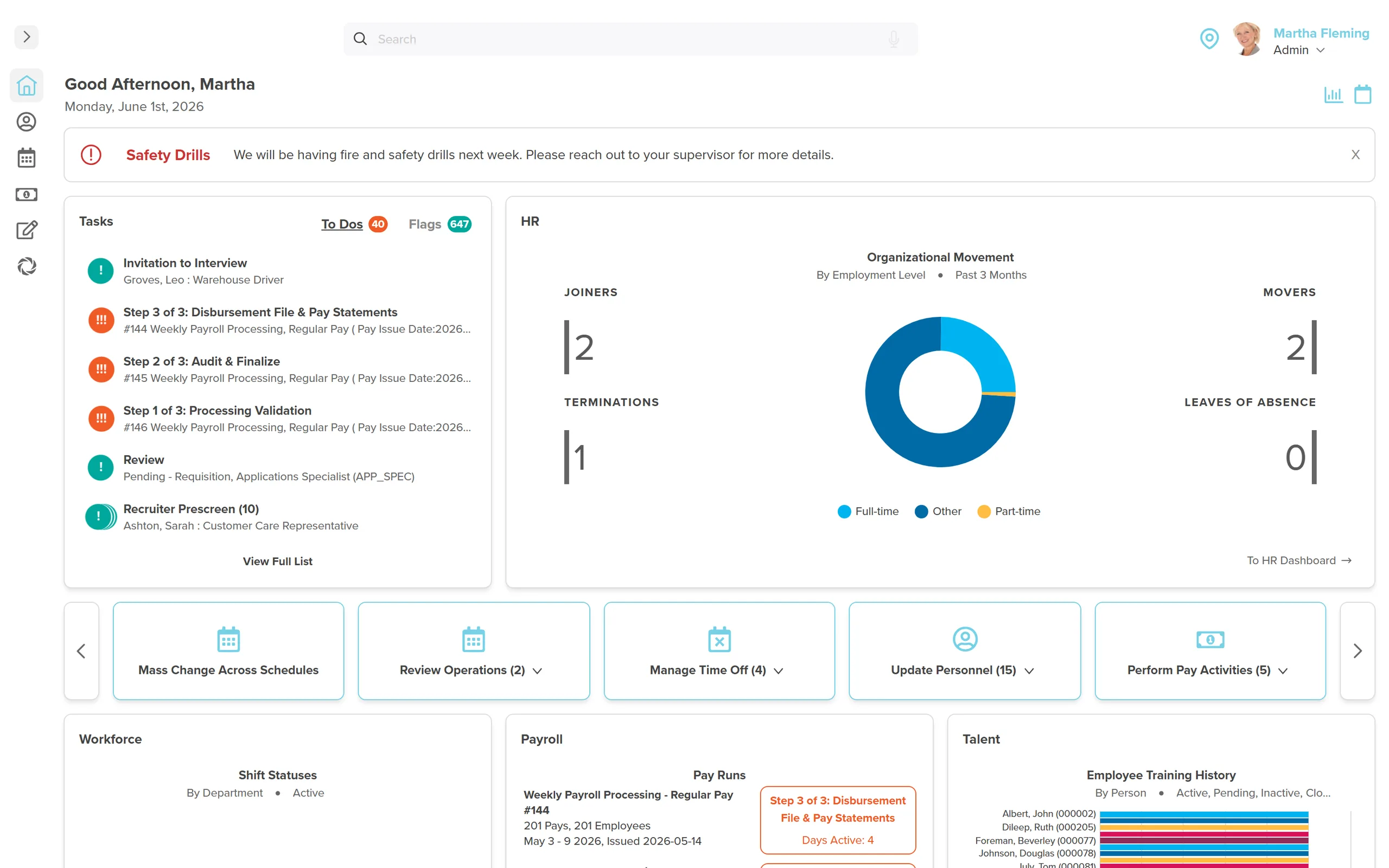
Maternity and parental leave use different ROE codes. Keep the code, benefit application and job-protected leave dates together in the employee record so the leave process does not depend on memory.
EI benefits and job-protected leave use different rules. EI maternity benefits are up to 15 weeks. Standard parental benefits are up to 40 shared weeks, with no parent receiving more than 35, while extended benefits are up to 69 shared weeks, with no parent receiving more than 61. Provincial or federal employment standards set the job-protected leave period.
- Maternity benefits: 15 EI weeks. Job-protected leave can be longer under the applicable employment standard.
- Standard parental benefits: up to 40 shared weeks, with no parent receiving more than 35.
- Extended parental benefits: up to 69 shared weeks, with no parent receiving more than 61.
- Quebec runs its own program (QPIP) with different rules.
- Use ROE code F for maternity and P for parental or adoption leave. Check the applicable Service Canada filing deadline.
How Parental Leave Actually Works in Canada
There are three distinct pieces to what most people lump together as "parental leave." Getting them confused is how employers end up filing incorrect ROEs and getting calls from Service Canada.
Maternity Leave (Birthing Parent Only)
Maternity benefits through Employment Insurance cover 15 weeks, payable at 55% of the claimant's average insurable earnings, up to a weekly maximum of $729 in 2026. For claims that begin from March 30, 2025 through October 10, 2026, the waiting period is temporarily waived, although claimants receiving a qualifying SUB-plan top-up may choose to serve the waiting period when advantageous. Check the current temporary EI measures before advising an employee.
Provincial job protection is a separate thing. Ontario provides 17 weeks of unpaid maternity leave. B.C. also provides 17 weeks. Alberta provides 16 weeks. The EI benefit is 15 weeks regardless, but the job-protected time varies by province. This trips people up constantly.
The ROE reason code for maternity leave is F. Code K is for other exceptional circumstances and requires an explanatory comment.
Standard Parental Leave
After maternity leave (or instead of it, for non-birthing parents), there's standard parental leave. Forty weeks total. Either parent can take up to 35 weeks of it. The remaining 5 weeks are reserved for the other parent, a "use it or lose it" incentive that the federal government introduced to encourage both parents to take time off.
The benefit rate stays at 55%, same as maternity. Same weekly maximum.
The ROE reason code for parental leave is P.
Extended Parental Leave
Parents who want more time can opt for the extended version: up to 69 shared benefit weeks, with no parent receiving more than 61. The catch? The benefit rate drops to 33% of insurable earnings. The total dollar amount paid out is roughly equivalent to the standard option, just spread thinner over more weeks.
You can't switch between standard and extended once you've started claiming. That's a decision parents need to make upfront, and they often ask their employer for guidance. Which means you need to actually understand the math.
| Decision | What to check |
|---|---|
| EI maternity benefits | Eligibility, benefit amount and applicable temporary waiting-period measure |
| Standard or extended EI parental benefits | Shared family maximum and the separate maximum for each parent |
| Quebec QPIP | Plan choice, claimant eligibility and its own benefit schedule |
| Job-protected leave | Governing employment standard, qualifying service, notice and reinstatement rights |
The Quebec Exception
Quebec doesn't use the federal EI system for parental benefits. Instead, it runs the Quebec Parental Insurance Plan (QPIP), and the differences are significant enough that you can't just treat Quebec employees the same as everyone else.
QPIP is more generous. No waiting period. Higher replacement rates (up to 70% for maternity under the basic plan, or 75% under the special plan). Self-employed workers are covered. And the definitions of who qualifies are different.
If you have employees in Quebec, their EI premiums are already lower because QPIP is funded separately through QPIP premiums. Your payroll system should be handling this automatically. If you're not sure whether it is, that's a problem worth investigating before the next leave request lands on your desk.
The number of employers who think federal EI parental benefits apply in Quebec is realistically alarming. They don't. QPIP is an entirely separate system with its own application process, its own rates, and its own rules.
What Employers Are Actually Required to Do
Here's where it gets practical. Your employee tells you they're expecting. Congratulations all around. Now what?
Job Protection
Every province and territory in Canada requires employers to hold the employee's job (or a comparable one) for the duration of their leave. Ontario's pregnancy and parental leave rules are among the most detailed in the country, covering everything from the reinstatement obligation to benefit continuation. You cannot terminate, demote, or restructure someone out of their position because they took parental leave. Full stop.
This sounds obvious. It is not always treated as obvious.
Eliminating a role during leave requires careful analysis of reinstatement and anti-reprisal protections. A genuine business change does not remove the obligation to assess the employee's statutory and human rights protections.
Benefits Continuation
Check benefit continuation under the governing employment standard and plan. In Ontario, employees on pregnancy or parental leave can continue participating in specified pension, life, accidental death, extended health and dental plans unless they elect not to. Employer contributions continue where the employee pays any required share.
If you're not tracking this, you'll end up with benefit coverage gaps, back-premiums owed, or worse, a denied claim during leave because nobody noticed the payments stopped.
The ROE Filing
For electronic weekly, biweekly, or semi-monthly payrolls, file the ROE within five calendar days after the pay period in which the interruption occurs. For monthly or 13-pay-period payrolls, file by the earlier of that date or 15 calendar days after the interruption begins. Paper ROEs have different timing rules. Use code F for maternity and code P for parental or adoption leave. Service Canada's ROE guide sets out the applicable deadline and edge cases.
Getting the code wrong delays the employee's EI claim. They'll call you. Service Canada will call you. Nobody's happy.
Leave tracking shouldn't live on a sticky note
Workzoom handles leave management, ROE generation, benefits continuation, and return-to-work tracking in one system. Starting at $4/employee/month with no setup fees, no contracts.
See How Leave Management WorksTop-Up Policies: The Competitive Advantage Nobody Talks About
EI maternity and parental benefits max out at $729 per week (standard, 55%) or $437 per week (extended, 33%) in 2026. For an employee earning $80,000, that's a pay cut of roughly 53% on the standard plan and 72% on the extended plan.
That's where top-up policies come in.
The Real Cost of a Top-Up
A parental leave top-up is when the employer pays the difference (or a portion of it) between what EI provides and the employee's regular salary. There is no universal statutory top-up requirement. An employment contract, collective agreement or binding employer policy can create an obligation. But in a tight labour market, it's one of the most effective retention tools available, and it costs less than you think.
Illustrative calculation: a 17-week top-up to 80% of a $70,000 annual salary, assuming the employee receives the stated maximum EI benefit throughout. Weekly amounts below are rounded for display:
- Employee's weekly salary: $1,346
- EI weekly benefit (55%): $729 (max)
- 80% target: $1,077
- Weekly top-up: $348
- Total 17-week cost before rounding weekly inputs: approximately $5,915
Roughly six thousand dollars. That's less than what it costs to recruit a replacement. The Society for Human Resource Management puts the average cost of hiring at three to four times the position's salary when you account for lost productivity, training, and the vacancy period.
And yet, most companies with fewer than 500 employees don't offer any top-up at all. It's a gap in the market for employers willing to think about retention differently.
The Return-to-Work Problem
Here's the part that almost nobody plans for.
An employee goes on leave for 12 months. Maybe 18. They come back to a team that's moved on, a manager who may have changed, and systems that have been updated. Their benefits need to be reactivated. Their payroll needs to be restarted at the correct rate. Seniority needs to be maintained. Vacation accrual needs to account for the leave period correctly.
One detail that catches employers off guard: time-off balances are calculated, not stored as a static number. The balance is Carry Over plus Earned plus Adjustments minus Taken. That balance updates after the pay run is processed and closed, not the instant a leave request is approved. If your return-to-work process restarts payroll mid-cycle without accounting for that, the balance will be wrong.
Who Owns the Return-to-Work Process?
County of Renfrew, an Ontario municipal employer with about 900 employees, put 32 employees through onboarding in 3 months with zero paper through Workzoom. The same effective-dated employment record that tracks onboarding milestones also tracks leave start and end dates, making the return-to-work trigger automatic rather than someone's Monday morning inbox problem.
If your HR system doesn't have a structured return-to-work process, what happens is someone in payroll gets an email that says "Sarah's back on Monday" and has to scramble.
The point is that some system needs to own this process, because spreadsheets and sticky notes don't scale past your fifth or sixth parental leave.
Provincial Differences That Matter
EI maternity and parental benefits and Quebec QPIP provide income replacement. Provincial, territorial or federal labour standards separately determine protected leave. The examples below are not a complete national eligibility table.
- Ontario: 17 weeks maternity, 61 or 63 weeks parental (depending on whether maternity was taken). Employee must have 13 weeks of service.
- B.C.: 17 weeks maternity, up to 62 weeks parental. No minimum service requirement.
- Alberta: 16 weeks maternity, 62 weeks parental. 90 days of employment required.
- Saskatchewan: Check the province's maternity and parental leave rules separately from EI benefit weeks. Protected leave depends on the leave taken and eligibility.
- Quebec: QPIP administers income-replacement benefits. Quebec labour standards separately provide maternity, paternity, parental and adoption leave protections.
Identify the governing employment standard, including federal jurisdiction where applicable. Separately determine the CRA province of employment for withholding. Neither a home address nor a work-location change automatically settles every payroll and leave rule.
EI or QPIP sets benefit rules. The governing provincial, territorial or federal labour standard sets job protection duration and eligibility. They're two different systems, and they don't always align. Know both.
What Happens When You Get It Wrong
The consequences of mishandling parental leave aren't abstract.
Filing the wrong ROE code delays the employee's benefits. They're sitting at home with a newborn, no income arriving, and they're calling you three times a day. Fail to protect their job and you're facing a human rights complaint, plus potential damages. Stop benefits during the leave without proper notice and you're liable for coverage gaps and the claims that fall into them.
The Reputational Cost Nobody Tracks
And the reputational cost? In a 150-person company, everyone knows how you treated the last person who went on mat leave. Everyone.
It doesn't have to be this way. The rules are clear, even if they're spread across federal and provincial legislation. The admin burden is real but manageable with the right systems. And the companies that handle parental leave well, that offer top-ups, that make the return smooth, those are the companies that keep their best people.
The sticky note approach works until it doesn't. And it usually stops working at the worst possible moment.
See Workzoom in 30 minutes.
Real product, real questions, no slides. Starts at $4 per employee per month, CAD or USD, with $0 setup fees.
What readers ask after this post on parental leave Canada.
Our clients
The teams that run their people on Workzoom.













Workzoom handles HR, payroll, workforce, and talent on one employee record. Book a 30-minute walkthrough.